
An Absurd Price Hike
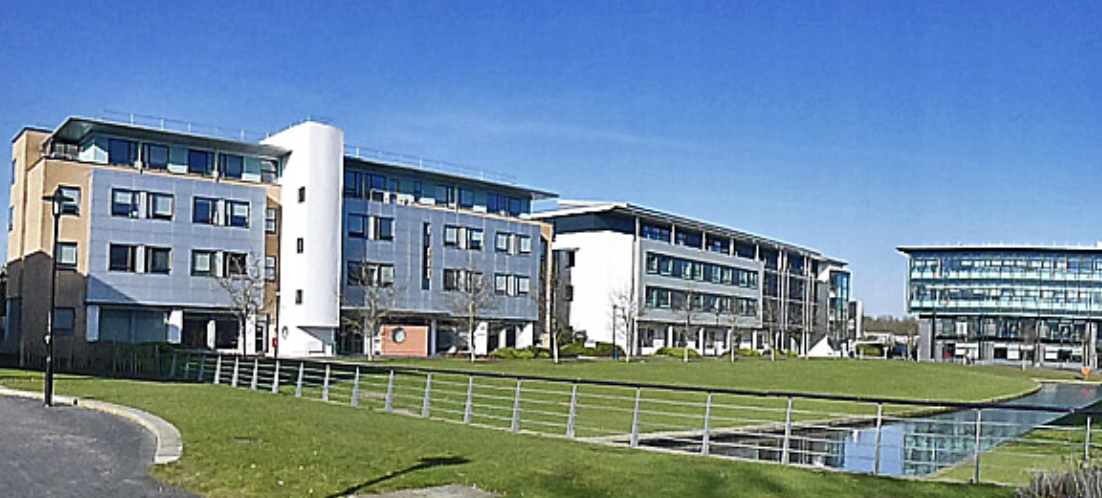
When I did my mathematics degree, I was charged around £28,000 each year for a 3-year undergraduate course. 3 years later, the exact same course, teaching the exact same timeless mathematics is now priced at £35,530 per year at the university I went to.
Needless to say, there has been similar price increase in accommodation fees for students.
Unlike most STEM communicators, I do not like to sugarcoat the reality of things. I do not kowtow to the university mafia. But I do tell the truth, the brutally honest truth we don’t like to hear.
If I could go back in time, I probably would not have done a maths degree, or a degree for that matter. And when I have children, I will advise against going to university to read a subject like mathematics, or any subject in general.
(Ok I would probably have enjoyed a language degree, like French and still been able to work on this blog)
Absolutely Nothing Useful
Let me preface by saying this. There’s nothing I do on this blog that requires either the textbook knowledge from my degree, or the ‘soft skills’ that I developed alongside during my 3 years residing along thousands of undergraduates. Absolutely nothing.
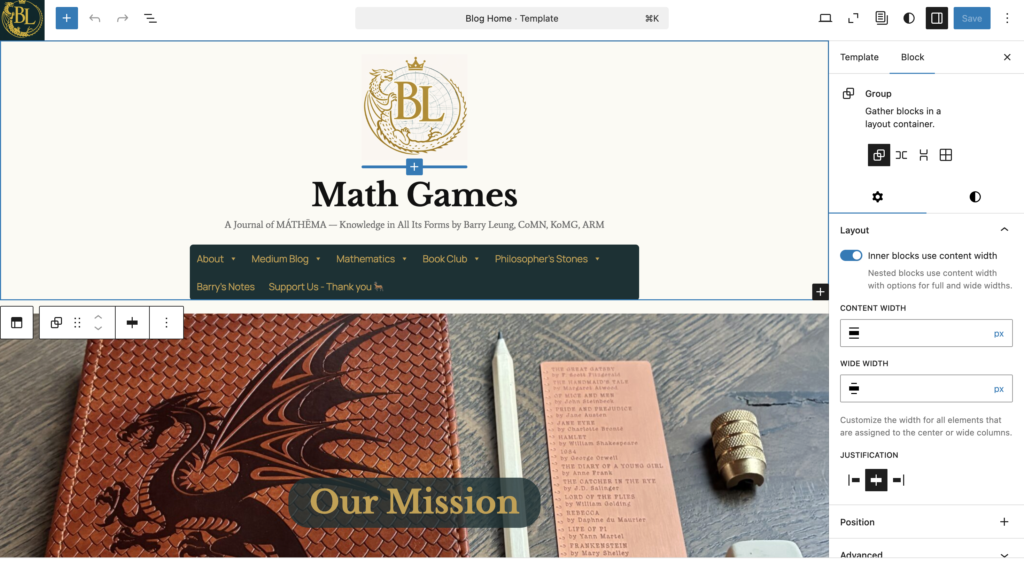
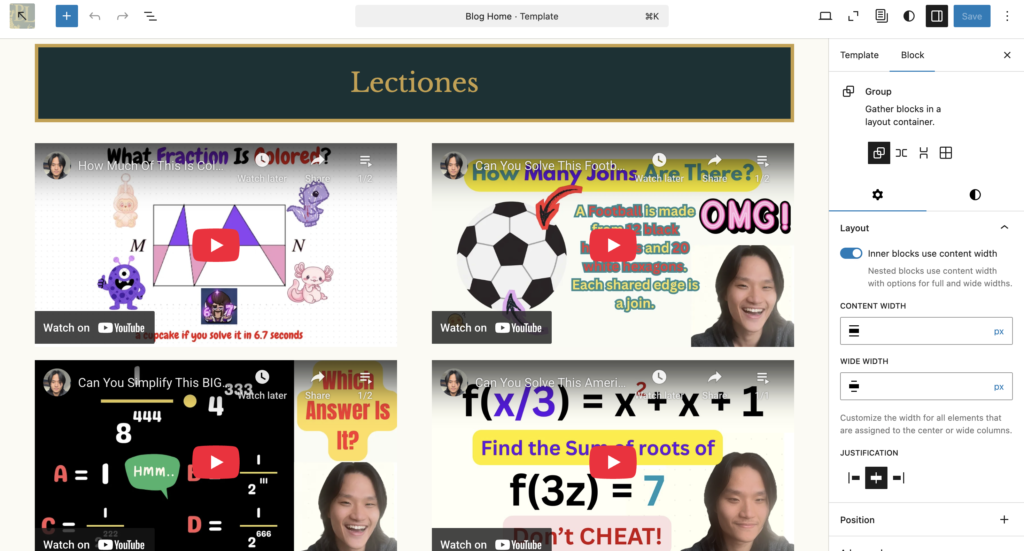
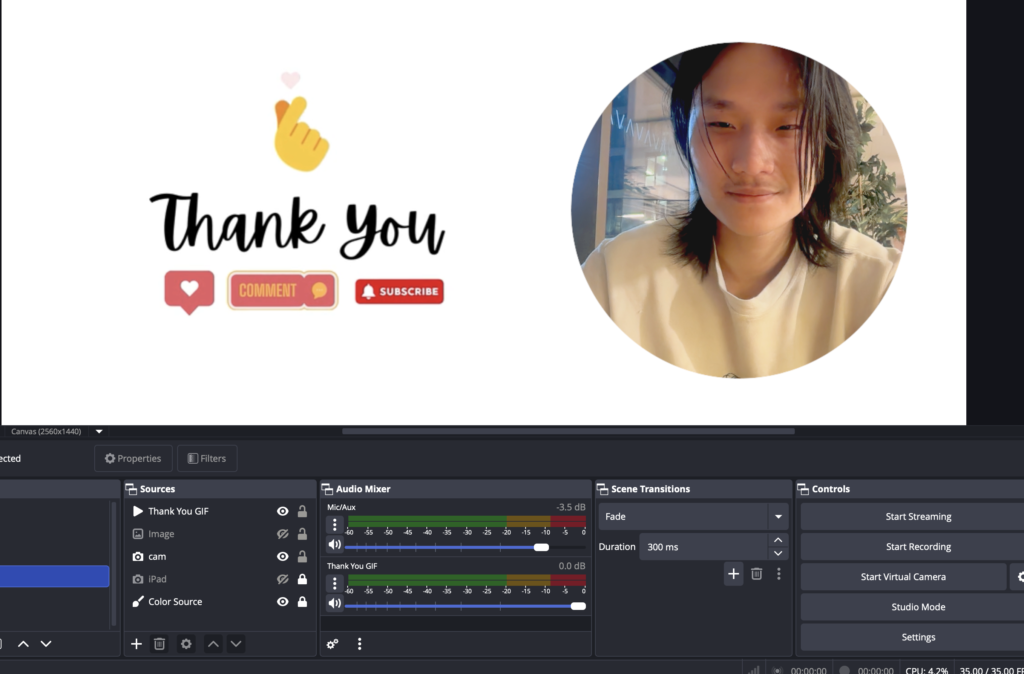
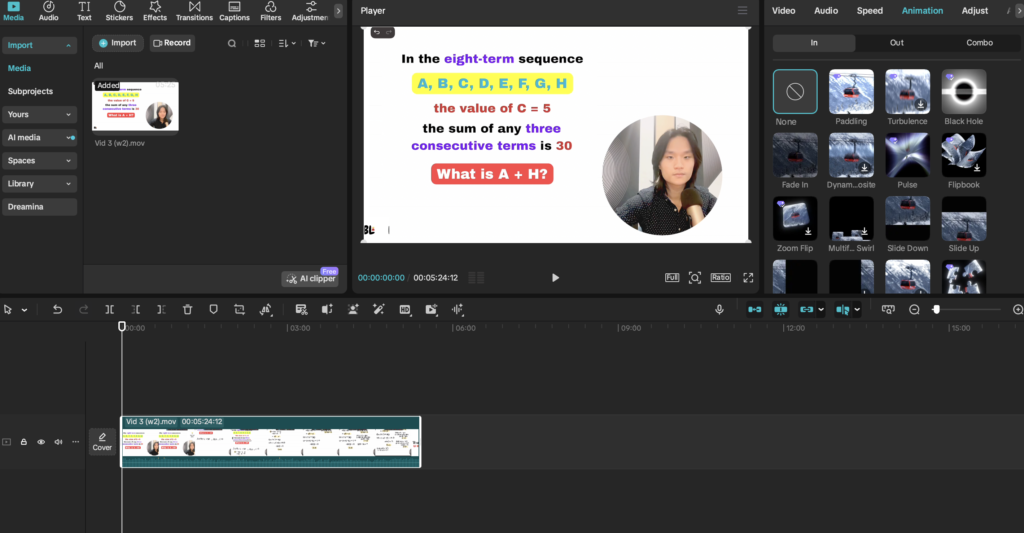
In contrast, the shebang of all that I needed to know to build up the audience here on Medium, to work on the brand new website through WordPress and a sprinkle of CSS and HTML, to film long-form YouTube videos using OBS studio, to edit short-form videos to optimize for viewer retention using animations on CapCut, and everything in between was self taught.
It’s funny that their course ‘Communicating Mathematics’ imparts nothing concrete about capturing the younger generations’ attention, and diverting their precious and finite mental energy into an appreciation of the subject.
Long gone are the days of using the Internet as a form of escapism from the challenges of life. Long gone are the days of conferring value just because someone holds a man-made ‘degree’.
As a natural progression of technology and social landscape, everyone, especially those in school age, are now hooked onto their phones almost 25 hours a day, 8 days a week. We have entered an era where access to information is so instantaneous that different forms of information have to compete ferociously for that dwindling attention from users.
A Vanity Metric
I remember that the maths department at the university plastered some posters made by students about the contribution of ancient mathematicians as part of their curriculum to ‘decolonize mathematics’.
Of course, a digital version of those was also uploaded onto a page under the departmental site.
However, I can bet on my life that their pages or actual physical posters have done nothing to actually promote mathematics to the general public. All they have achieved is a tick on their box when the relevant staff fill out their end of year progress card.
Basics of Mathematics
There’s only so many ways to explain the basics of mathematics. Some educators, perhaps innocently and unknowingly, overcomplicate how it actually is.
We often hear vague and clichéd expressions about how ‘Maths PhDs’ do not teach basic mathematics as well as someone who only has a bachelor’s degree in the discipline. The poorly thought out idea is that someone who is exceptionally good at a subject might not necessarily relate to someone who is struggling with it, or just beginning to learn it, and that someone who perhaps has less expertise can provide better teaching outcomes because they relate more to the struggling students.
This is such normie reasoning amongst these so-called ‘mathematicians’ or ‘educators’. People who subscribe to this notion really haven’t thought about the statement for more than five minutes. Because if they have done so, they realize this cannot be further from the truth.
Elementary mathematics, as the name suggests, is very basic. It’s the foundational building blocks for higher level concepts, which often require a good grasp of multiple fundamentals.
Let’s take a look at rationalizing surds as an example.
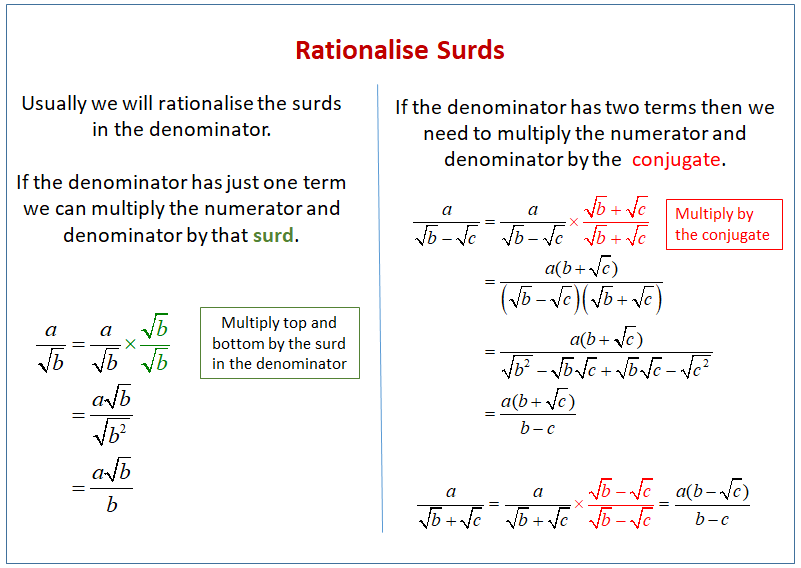
A surd is just an irrational number. Well by irrational, we don’t mean the number is unreasonable, like the price hike of £21,000 for a maths degree from the university mafia, we mean that the number cannot be expressed as a ratio of two integers.
As we can see in the image above, either we multiply the top and the bottom by the surd in the denominator itself, or we do the same with the conjugate instead.
Of course, we can go a bit more fundamental and say that we have not changed the value at all because we are multiplying the fraction by 1, it just so happens that the 1 is a ratio of surd over surd, or a ratio of conjugate over conjugate.
The surds cancel out as a result of the square roots cancelling itself. The conjugate case works because the middle terms cancel out after expanding the brackets.
I mean that’s it really. There’s not much more to add to this particular concept.
Here’s a demonstration of the same concept from another source.

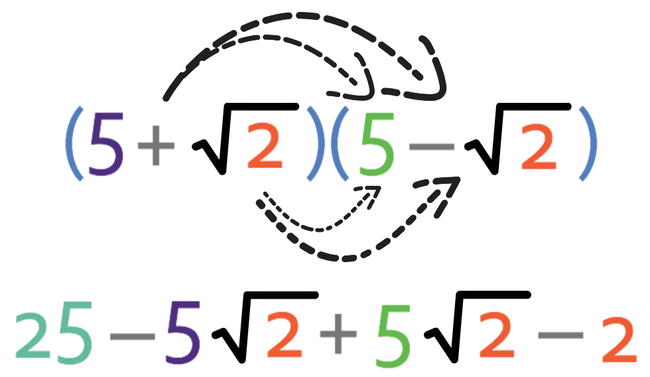
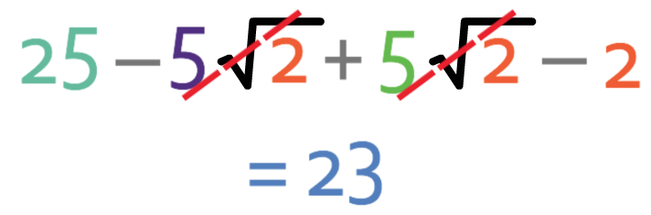
Instead of using a general case, they opt for a specific example. But the fundamental steps are exactly the same. Of course, we can see that they color coded the terms differently and annotated each step with arrows and crosses.
We can say this might explain it ‘better’ because it’s more specific and ‘hands-on’; equally we can also say the first example is better because it’s more ‘general’ and can apply to all cases.
You see how we can spin this either way, right?
What I am trying to demonstrate is that if someone has had years of experience studying highly abstract ideas in pure mathematics, the examples shown above are child’s play to them. They are definitely capable of explaining to anyone the process of rationalizing surds, and they can instantly come up with multiple examples if asked.
Are you seriously telling me someone who knows abstract algebra and can visualize the epsilon-delta definition of the limit struggles to showcase the mechanics of rationalizing surds? Come on.
The heart of the matter is that the ego and hubris of the mathematically capable is often misunderstood as the inability to teach.
Although these people have the ability to teach the fundamentals, the issue is they don’t want to, or they think they are too cool to do it. Just walk through a university’s mathematics department, converse casually with the students and the faculty, and you will quickly understand why.
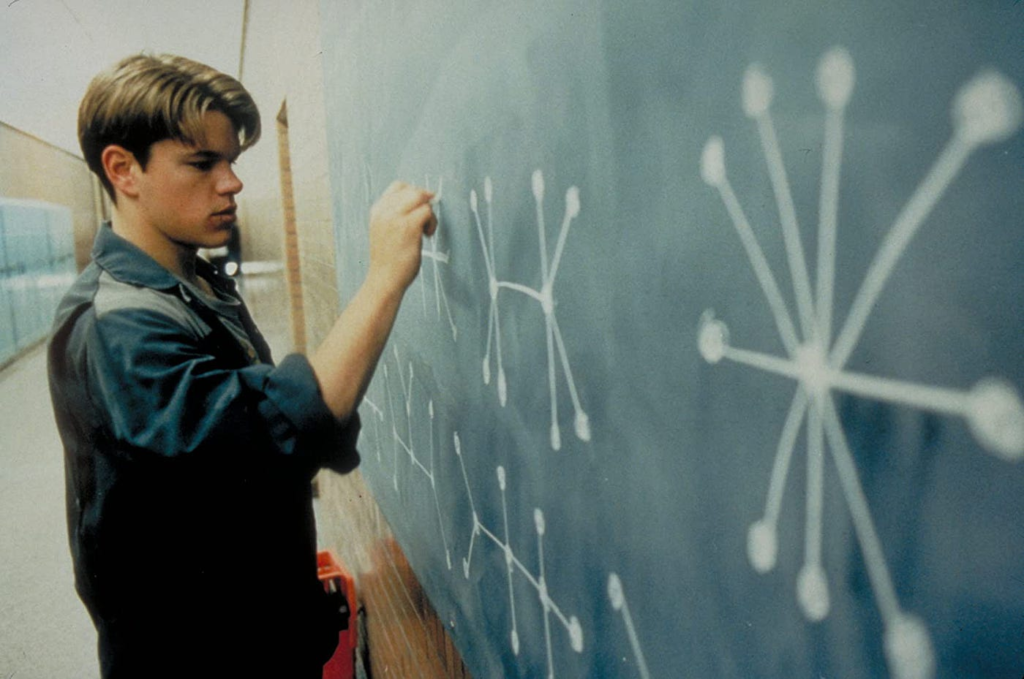
Either they genuinely lack the awareness to understand some students struggle with basic mathematics from being closeted in the ivory tower of academia for too long, or they ridiculously believe confusing students with advanced symbols and terminologies is somehow a flex. (We can only blame pop culture for romanticizing a black board riddled with triple integral signs and sigma notation.)
Either way, they definitely can do what is asked of them. It’s just that something else gets in the way.
Knowledge Hierarchy
Let’s say a concept A is made up of two lower level concepts B and C, which are built upon the lowest level concepts B1 & B2, and C1 & C2 respectively.
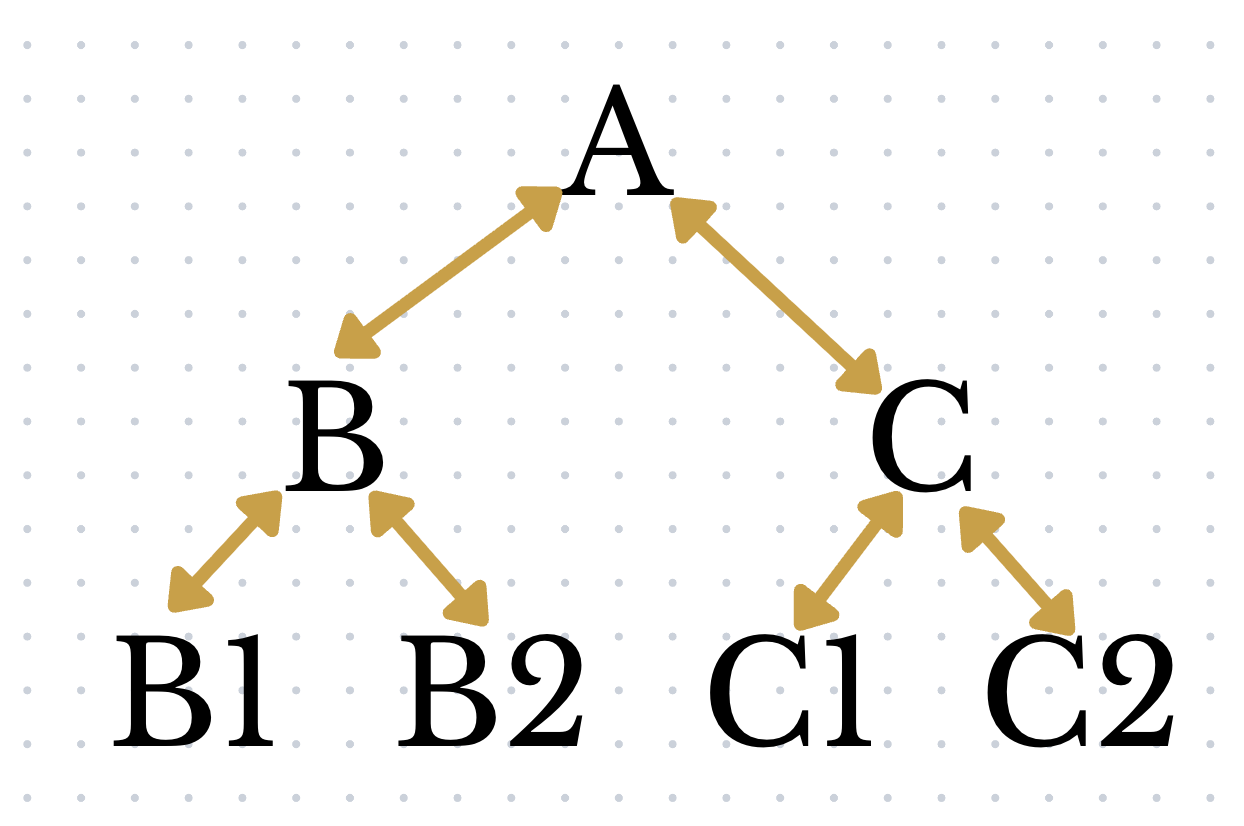
If a student struggles to understand A, then we examine whether they have a good grasp of B and C. Either they have a good grasp of only one of the concepts, or none of them, in either case, we move one rung down the hierarchy of knowledge.
To me, this is common sense, in mathematics teaching, and in teaching of any subject.
Online Dominance in Our World
To do well as a mathematics communicator requires one to be a good communicator first and foremost, the maths comes second.
And in a time where ChatGPT’s context window is ever increasing, it means being able to utilize the wide variety of tools and technology available at our fingertips.
A high schooler who has done a few courses in mathematics, but has mastered the art and science of social media, will always be the one students across nations and continents remember in the hall of fame of maths education. A stark contrast to this would be a Giga maths wizard who has basked in their own perceived glory of knowing esoteric math proofs, but simply lacked the awareness of how things are in the 21st century, or the competence to make use of the toolkit that’s required to broadcast mathematics to the widest audience. Whoever this is, they will not be remembered as one that gives students joy of breaking down timeless yet fundamental concepts.
Sure, perhaps their H-index might reach 1000, but at what cost? And who cares anyway? Well, I don’t.
By cost, I mean how many of these researchers and professors have scarified their health in the search for some ‘truth’, while their university is decaying and rotting because of their failure to uphold basic truths like 2 + 2 = 4.
Somehow, saying that is controversial and racist.
And let me remind you, it is not a badge of honor to sacrifice the greatest gift we are granted in this life – health, in pursuit of something temporary.
Final Thoughts
I have currently slowed down a bit on the maths videos and puzzles because I have been thinking about what else I can do.
I will be honest. I sometimes feel a bit bored of writing these articles about maths puzzles, or filming the YouTube videos.
At the moment, I am at 84 subscribers and I have been fine-tuning the quality little by little. It’s not there yet because my ultimate goal is to be able to generate income from the channel.
There’s a practical side to doing maths communication, which the university’s course does not consider. People need to make a living in order to keep doing what they do. It’s not like they can just talk about maths in a vacuum, with zero regard for how they can sustain themselves.
Honestly, I am still proud to be the only person from the Zeeman Institute making more than 1 dollar from actually doing something directly related to mathematics.
So that’s it for today. If you enjoy this article and believe in our mission, consider making a contribution below.
Thank you.